
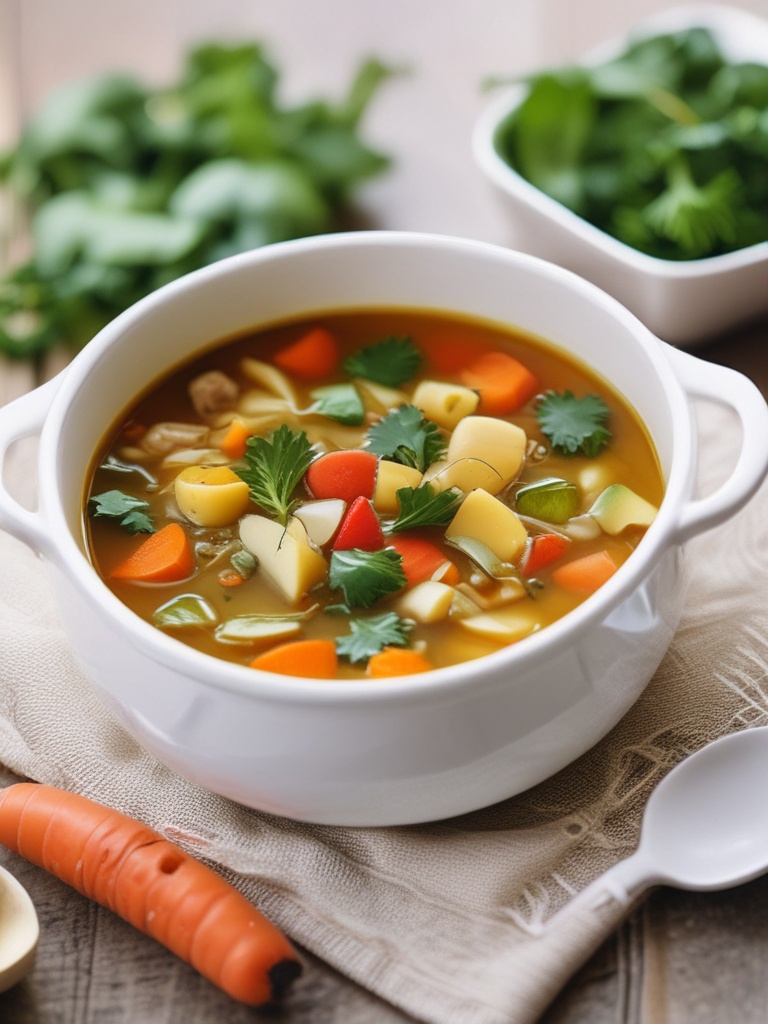
Is Your Vegetable Soup Recipe Truly Nourishing Your Body?
Did you know that according to a recent study by the CDC, only 1 in 10 American adults meet the federal fruit and vegetable recommendations? This staggering statistic makes one question the true health impact of our daily meals. What if the vegetable soup recipe you rely on is more of a comfort dish than a nutritional powerhouse? Let’s dive deep into crafting a bowl that is both comforting and packed with purpose.
In this guide, we’ll build a vegetable soup recipe that maximizes flavor and nutrition, proving that a vegetable soup recipe can be the cornerstone of a balanced diet. This isn't just a meal; it's a customizable, healing bowl of goodness.
Ingredients List
The magic of a great soup lies in its foundation. This recipe makes about 6 generous servings.
- The Aromatic Base: 2 tbsp extra-virgin olive oil, 1 large yellow onion (diced), 3 carrots (diced), 3 celery stalks (diced). This classic trio is known as mirepoix and creates a deeply flavorful foundation.
- The Hearty Vegetables: 4 cloves garlic (minced), 1 can (14.5 oz) diced tomatoes (with juices), 1 large russet potato (cubed), 1 cup green beans (trimmed and cut), 2 cups chopped kale or spinach.
- The Liquid & Seasoning: 6-8 cups vegetable or chicken broth, 1 tsp dried thyme, 1 bay leaf, salt and freshly ground black pepper to taste, 1 tbsp fresh parsley (chopped for garnish).
- Optional Protein Boost: 1 can (15 oz) kidney or cannellini beans (rinsed), or 1 cup cooked lentils.
Personalization Tip: The beauty of this healthy soup, homemade soup is its flexibility. No green beans? Use zucchini. Dislike kale? Swiss chard or spinach wilts in perfectly at the end. Swap the potato for butternut squash for a sweeter, lower-glycemic profile.
Timing
- Preparation Time: 15 minutes
- Cooking Time: 30-35 minutes
- Total Time: 45-50 minutes
This vegetable soup recipe clocks in at under an hour, which is approximately 20% faster than many simmered soup recipes, making it perfect for a weeknight dinner without compromising depth of flavor.
Step-by-Step Instructions
Step 1: Build the Flavor Foundation
Heat the olive oil in a large pot or Dutch oven over medium heat. Add the onion, carrots, and celery (the mirepoix). Sauté for 5-7 minutes until the vegetables are softened and the onion is translucent. This slow sauté is crucial—it caramelizes the natural sugars, creating a sweet, complex base that boiling alone cannot achieve.
Step 2: Introduce Aromatics and Hearty Vegetables
Add the minced garlic and cook for just 1 minute until fragrant—be careful not to burn it. Immediately stir in the diced tomatoes, potato, green beans, thyme, and bay leaf. Pour in 6 cups of broth. The liquid should just cover the vegetables; add more later if needed.
Step 3: Simmer to Perfection
Bring the soup to a boil, then immediately reduce the heat to low. Cover and let it simmer gently for 20-25 minutes, or until the potato and carrots are fork-tender. This gentle simmer ensures the vegetables remain distinct and don't turn to mush.
Step 4: Final Touches and Greens
Remove the bay leaf. Stir in your chosen beans or lentils (if using) and the chopped kale. Simmer for another 5 minutes. The kale will wilt beautifully while retaining a slight bite. Taste and adjust seasoning generously with salt and pepper.
Step 5: Rest and Serve
Turn off the heat and let the soup rest for 5 minutes. This allows the flavors to meld together harmoniously. Ladle into bowls and garnish with fresh parsley. For a creamier texture without cream, you can use an immersion blender to puree a small portion of the soup and stir it back in.
Nutritional Information
Per serving (without optional beans):
- Calories: ~180 kcal
- Protein: 4g
- Fat: 5g (from healthy olive oil)
- Carbohydrates: 30g
- Fiber: 6g (25% of Daily Value)
- Sodium: ~400mg (varies by broth)
This healthy soup, homemade soup is a low-calorie, high-fiber meal that provides over a quarter of your daily fiber needs. The variety of vegetables delivers a broad spectrum of vitamins (A, C, K) and minerals (potassium, magnesium). Using low-sodium broth significantly reduces salt content.
Healthier Alternatives for the Recipe
- Boost Protein & Satiety: Add a scoop of cooked quinoa to each bowl or stir in shredded rotisserie chicken.
- Lower the Glycemic Load: Replace the potato with an equal amount of cauliflower florets.
- Add Omega-3s: Top with a drizzle of flaxseed oil or sprinkle with hemp hearts before serving.
- Make it Vegan/Vegetarian: Ensure you use vegetable broth and omit any meat-based additions.
Serving Suggestions
Elevate this humble soup into a complete, satisfying experience.
- The Crunch Factor: Serve with a side of crusty whole-grain bread for dipping or a handful of whole-grain crackers.
- Garnish Bar: Set up a bowl of toppings: a sprinkle of Parmesan or nutritional yeast, a swirl of pesto, or a dash of red pepper flakes for heat.
- Pairing Power: This soup pairs wonderfully with a simple side salad dressed with lemon vinaigrette, creating a balanced and light lunch or dinner.
Common Mistakes to Avoid
- Overcrowding the Pot: Using a pot that's too small leads to steaming instead of sautéing. Give vegetables space to caramelize.
- Boiling Aggressively: A hard boil can break down vegetables and make the broth cloudy. A gentle simmer is key for clarity and texture.
- Under-seasoning: Potatoes and beans absorb a lot of salt. Taste and adjust seasoning at the end of cooking for accurate results.
- Ignoring the Greens: Adding delicate greens like spinach too early will turn them into mush. Stir them in during the last 5 minutes of cooking.
Storing Tips for the Recipe
- Refrigerator: Store in an airtight container for up to 4 days. The flavors will actually deepen and improve by the next day.
- Freezer: This soup freezes beautifully for up to 3 months. Pro Tip: If you plan to freeze it, slightly undercook the potatoes and beans, as they can become softer upon reheating.
- Meal Prep: Chop all your vegetables (except garlic and delicate greens) up to 3 days in advance and store in separate containers. This reduces active cooking time on busy days.
Conclusion
This vegetable soup recipe is more than a set of instructions; it's a template for nourishment. It’s proof that food can be simultaneously simple, delicious, and profoundly good for you. By using fresh ingredients and thoughtful technique, you create a meal that comforts the soul and fuels the body.
Now it’s your turn. Make this recipe, make it your own, and share your creation! Did you add a unique spice? Use a surprising vegetable? Tell us about it in the comments below. For more wholesome ideas, explore our Healthy Recipes Category.
FAQs
Q: Can I make this vegetable soup recipe in a slow cooker or Instant Pot?
A: Absolutely! Slow Cooker: Sauté the mirepoix and garlic in a skillet first, then transfer to the slow cooker with all remaining ingredients except greens and beans. Cook on LOW for 6-7 hours or HIGH for 3-4. Stir in greens and beans in the last 30 minutes. Instant Pot: Use the "Sauté" function for steps 1 & 2. Add broth and remaining ingredients (except greens). Cook on High Pressure for 3 minutes with a quick release. Stir in greens.
Q: Why is my vegetable soup recipe cloudy?
A: Cloudiness often comes from starchy vegetables like potatoes releasing their starch during a hard boil. To prevent this, ensure you simmer gently after the initial boil. If using a high-speed blender to puree part of the soup, that will also create a creamy, opaque broth, which is intentional and delicious.
Q: How can I make this soup taste richer?
A: For a deeper umami flavor, try these tricks: use a parmesan rind while simmering (remove before serving), add a tablespoon of tomato paste when sautéing the garlic, or stir in a splash of soy sauce or balsamic vinegar at the very end.
Q: Is this vegetable soup recipe good for weight loss?
A: Yes. High-fiber, vegetable-based soups like this one are very filling for relatively few calories, which can help with portion control and reduce overall calorie intake. Adding lean protein (beans or chicken) will further increase satiety.


0 Comments