
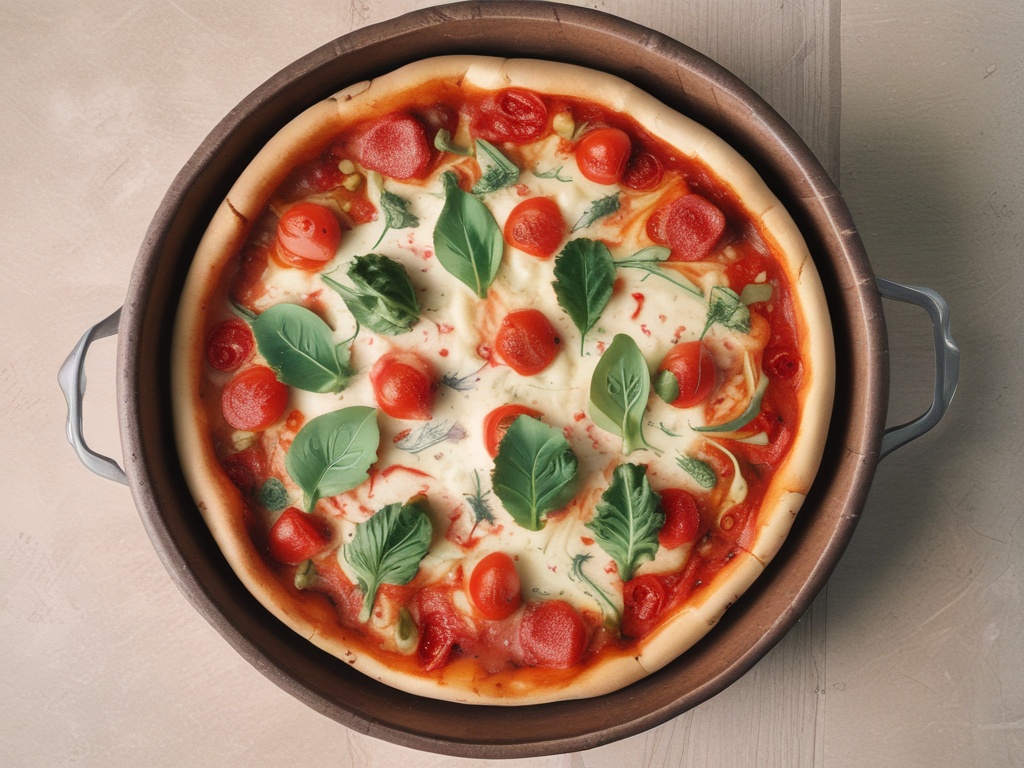
Homemade Pizza Dough Recipe for Perfect Pizza
Did you know that the average American consumes about 46 slices of pizza per year, yet a surprising number of those pies come from the freezer aisle? What if you could unlock a fresher, tastier, and more satisfying experience right in your own kitchen? The secret often starts not with the toppings, but with the base. Mastering the craft of a perfect homemade pizza dough can transform your pizza nights from ordinary to extraordinary, giving you control over flavor, texture, and quality. This guide provides a foolproof pizza crust recipe, easy pizza dough that is both approachable for beginners and rewarding for seasoned cooks.
Ingredients List
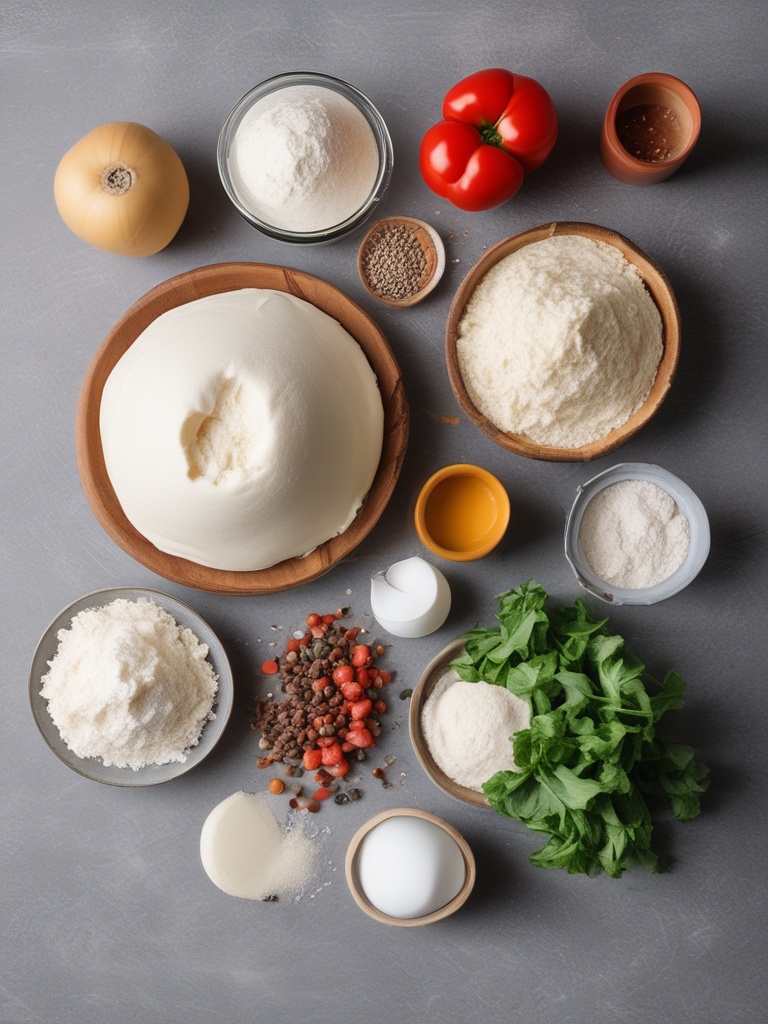
Gathering high-quality, simple ingredients is the foundation of a great dough. Here’s what you’ll need to craft one perfect 12-inch pizza base:
- 2 ½ cups (300g) all-purpose flour: The backbone of your dough. For a chewier crust, you can substitute up to 50% with bread flour. For a lighter, airier texture, consider using 00 Italian flour.
- 1 packet (2 ¼ teaspoons, 7g) instant yeast: This is your magic leavener. If you only have active dry yeast, dissolve it in the warm water with a pinch of sugar for 5-10 minutes until frothy before proceeding.
- 1 teaspoon fine sea salt: Salt is crucial for flavor and controlling yeast activity.
- 1 teaspoon granulated sugar or honey: This feeds the yeast, jumpstarting fermentation and helping with browning.
- 1 cup (240ml) warm water (105-115°F / 40-46°C): Think warm bath water, not hot. Too hot will kill the yeast.
- 2 tablespoons extra virgin olive oil: For flavor and a tender crumb. You can use any neutral oil, but olive oil adds a lovely Mediterranean note.
- Optional for finishing: Semolina or cornmeal for dusting, olive oil for brushing, and a sprinkle of garlic powder or dried herbs.
Timing
Crafting your own dough is a rewarding investment of time, but much of it is passive. Here’s a breakdown:
- Prep Time: 15 minutes
- Rest/Rise Time: 60-90 minutes (can be reduced to 30 minutes for a quick version)
- Cook Time: 10-15 minutes
- Total Time: Approximately 1 hour 40 minutes
This total time is about 20-25% shorter than many traditional overnight fermentation recipes, making it ideal for same-day pizza perfection without sacrificing development.
Step-by-Step Instructions
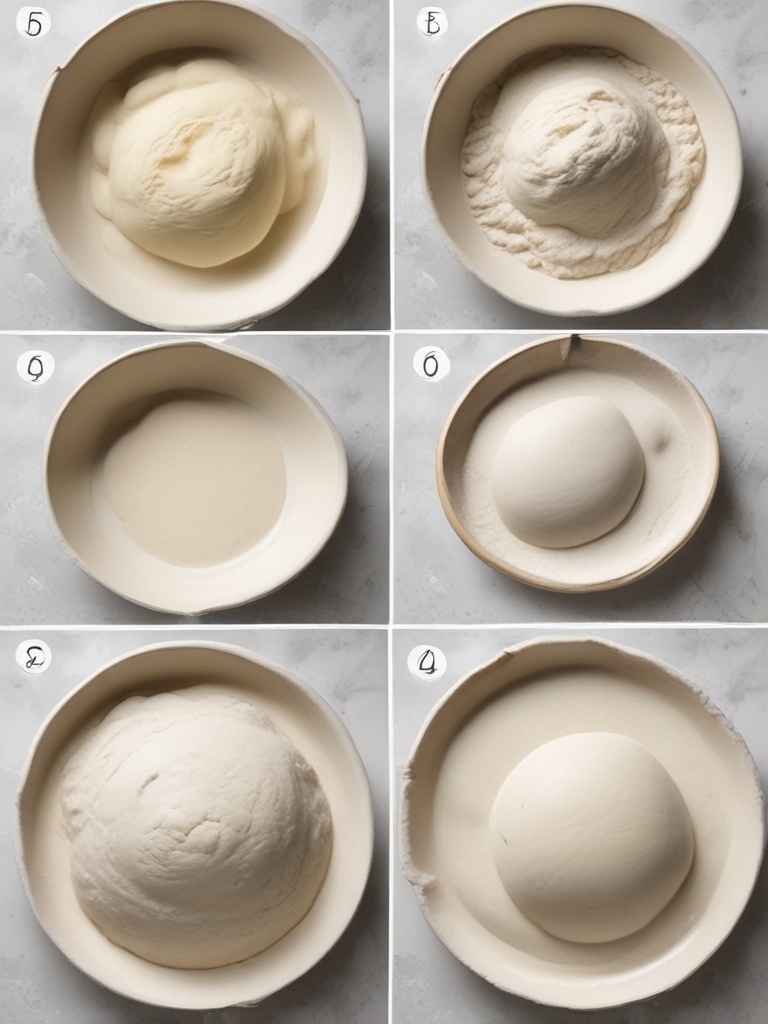
Follow these steps to achieve pizza dough success. Remember, baking is both art and science—a little feel goes a long way.
Step 1: Activate and Combine
In a large bowl, whisk together the warm water, sugar (or honey), and instant yeast. Let it sit for 5 minutes until slightly foamy. This proves your yeast is alive and active. Add the olive oil and salt, and give it a quick stir.
Step 2: Bring the Dough Together
Add the flour to the wet ingredients. Using a wooden spoon or your hand, mix until a shaggy, rough dough forms and there are no dry flour pockets. Don’t worry if it looks messy—this is normal.
Step 3: Knead to Perfection
Turn the dough out onto a lightly floured surface. Knead for 8-10 minutes. You’ll know it’s ready when it becomes smooth, elastic, and springs back slowly when poked. A helpful tip: if the dough is too sticky, add flour a tablespoon at a time. If it’s too dry and stiff, wet your hands slightly and continue kneading.
Step 4: The First Rise (Bulk Fermentation)
Lightly oil the inside of your large bowl. Shape the dough into a smooth ball, place it in the bowl, and turn it once to coat all sides with oil. Cover with a damp kitchen towel or plastic wrap. Place in a warm, draft-free spot for 60-90 minutes, or until it has doubled in size.
Step 5: Shape Your Masterpiece
Gently punch down the risen dough to release air bubbles. Transfer it to a floured surface. For a round pizza, use your fingertips to gently press and stretch the dough from the center outwards, leaving a slightly thicker edge for the crust. For an oblong shape, use a rolling pin. Let the shaped dough rest for 5-10 minutes; this relaxes the gluten and prevents it from shrinking back.
Step 6: Top and Bake
Preheat your oven to its highest setting (usually 500-550°F / 260-290°C) for at least 30 minutes. If using a pizza stone or steel, place it in the oven during preheating. Transfer the shaped dough to a parchment-lined peel or baking sheet dusted with semolina. Add your sauce, cheese, and toppings sparingly—less is often more. Bake for 10-15 minutes, or until the crust is golden brown and the cheese is bubbly and lightly charred in spots.
Nutritional Information
Per serving (⅛ of the dough recipe, uncooked), the approximate nutritional profile is:
- Calories: 170 kcal
- Carbohydrates: 32g
- Protein: 5g
- Fat: 2.5g
- Sodium: 290mg (13% DV)
These values can vary based on specific ingredients used. A homemade version typically contains 30-40% less sodium than many pre-made store-bought doughs, giving you significant control over your intake.
Healthier Alternatives for the Recipe
You can easily adapt this recipe for various dietary needs without losing its soul:
- Whole Wheat Power: Replace up to half the all-purpose flour with whole wheat flour for added fiber and nutrients. The dough will be denser and nuttier in flavor.
- Gluten-Free Option: Use a high-quality 1:1 gluten-free baking flour blend that contains xanthan gum. The texture will be different but still delicious.
- Reduced Carb: Incorporate almond flour or coconut flour for a portion of the all-purpose flour, though this will significantly alter the structure and is best for personal-sized, thin-crust pizzas.
- Vegan Dough: This recipe is naturally vegan as written! Ensure your sugar is vegan-certified if that’s a concern.
Serving Suggestions
Elevate your pizza night with these creative ideas:
- The Dipper: Roll small pieces of dough into sticks, brush with garlic butter, and bake until golden. Serve alongside marinara for dipping.
- Personalized Pizzas: Divide the dough into 4-6 smaller balls for personal-sized pizzas. Set up a "topping bar" with various sauces, cheeses, and vegetables for a fun, interactive family meal.
- Flatbread Transformation: Stretch the dough very thin, bake it plain with just olive oil and sea salt, then top after baking with fresh arugula, prosciutto, shaved parmesan, and a balsamic glaze for an elegant appetizer.
Common Mistakes to Avoid
Even with a great recipe, pitfalls can happen. Here’s how to sidestep them:
- Using Water That’s Too Hot: This is the #1 yeast killer. Always test the water on your inner wrist; it should feel comfortably warm, not hot.
- Overworking the Dough: After the first rise, be gentle when shaping. Pressing too aggressively can deflate all those lovely air pockets you worked to create.
- Overloading with Toppings: A common cause of a soggy, undercooked center. Apply toppings sparingly, especially wet ingredients like fresh mozzarella or vegetables—pat them dry first.
- Skipping the Preheated Surface: A screaming-hot oven isn’t enough. Preheating a pizza stone or steel is crucial for achieving that crisp, blistered bottom crust you get from a pizzeria oven.
Storing Tips for the Recipe
Maximize freshness and plan ahead with these storage guidelines:
- Refrigerating Dough: After the first rise, you can let the dough rise slowly in the refrigerator for 24-72 hours for even more flavor development. Before baking, let it sit at room temperature for 1-2 hours to take the chill off.
- Freezing Dough: For future pizza nights, wrap the dough ball tightly in plastic wrap, then place it in a freezer-safe bag. It will keep for up to 3 months. Thaw overnight in the refrigerator before using.
- Storing Baked Pizza: Leftover pizza can be refrigerated in an airtight container for 3-4 days. Reheat in a skillet on the stovetop over medium heat for the best crust revival.
Conclusion
There’s a unique satisfaction in pulling a bubbling, golden pizza from your own oven. By mastering this homemade pizza dough recipe, you’re not just making dinner—you’re creating an experience. You control the ingredients, the flavor, and the memories around the table. This pizza crust recipe, easy pizza dough is your gateway to endless culinary creativity. So, tie on your apron, dust off your countertop, and give it a try this weekend. We’d love to hear how your perfect pizza creation turns out—share your masterpiece or questions in the comments below!
FAQs
1. Can I make this dough in a stand mixer?
Absolutely! Use the dough hook attachment. Combine the wet ingredients, then add the dry. Mix on low speed for 2-3 minutes until combined, then increase to medium-low and knead for 5-7 minutes until the dough is smooth and pulls away from the bowl.
2. My dough didn't rise. What went wrong?
The most likely culprits are dead yeast (check the expiration date), water that was too hot and killed it, or a too-cool environment. Ensure your water is between 105-115°F and place the dough in a warm spot like inside an oven with only the light turned on.
3. How can I get a crispier crust at home?
The key is high heat and a preheated cooking surface. Use a pizza stone or steel preheated for at least 30-60 minutes at your oven's highest temperature. Baking on the lower oven rack also helps crisp the bottom.
4. Can I use this dough for calzones or stromboli?
Yes! This dough is versatile. For calzones, roll it into circles, fill half with cheese and fillings, fold, seal, and bake. For stromboli, roll it into a rectangle, add fillings, roll it up tightly, seal, and slice vents before baking.
5. How thin can I roll this dough?
You can get it quite thin for a New York-style pizza, about ⅛-inch thick in the center. Be careful not to tear it. For a Neapolitan style, use your hands to gently stretch it, leaving the edges thicker. The dough is quite forgiving and elastic.


0 Comments