
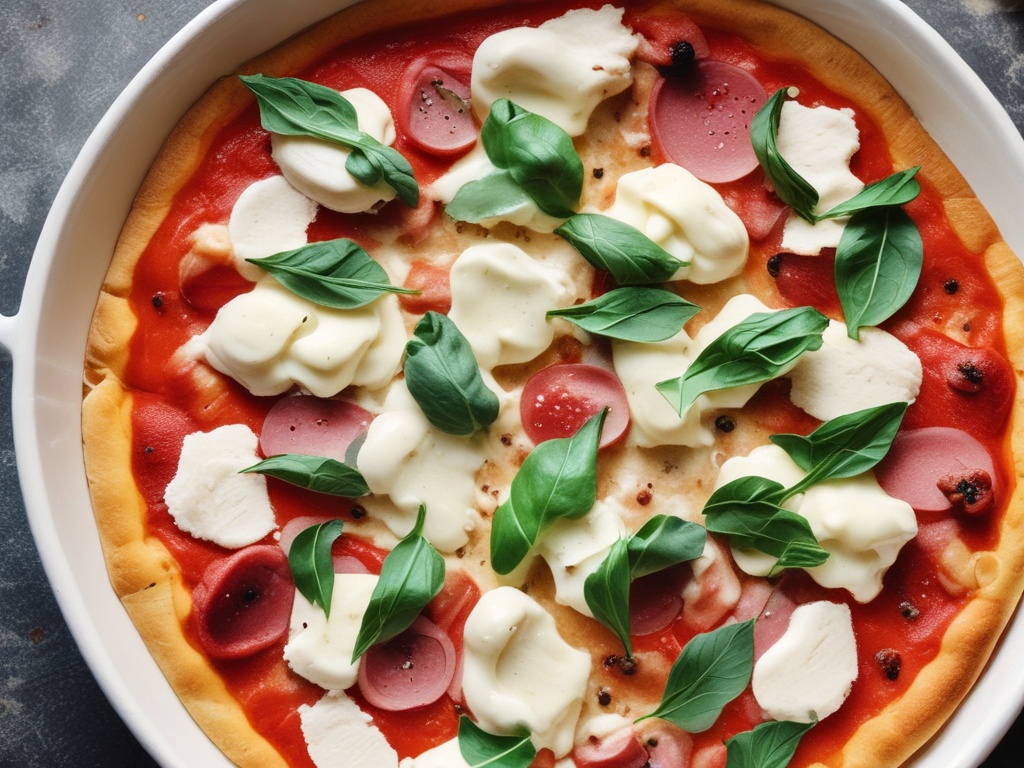
Homemade Pizza Dough Recipe for Perfect Pizza
Did you know that a survey by the American Pizza Community found that over 40% of Americans consume pizza at least once a week? Yet, the secret to elevating that weekly ritual from good to unforgettable often lies not in the toppings, but in the foundation itself. Have you ever considered that the difference between a forgettable slice and a memorable one is a recipe you control completely? It’s time to discover the transformative power of truly great dough, and this guide to creating perfect homemade pizza dough is your starting point.
Forget store-bought balls of mystery. Mastering this pizza crust recipe, easy pizza dough not only puts you in charge of every ingredient but also delivers a texture—crisp on the bottom, chewy in the middle, and bursting with flavor—that frozen dough simply can't match. Let’s dive into the science and art of creating the perfect base for your next pizza night.
Ingredients List
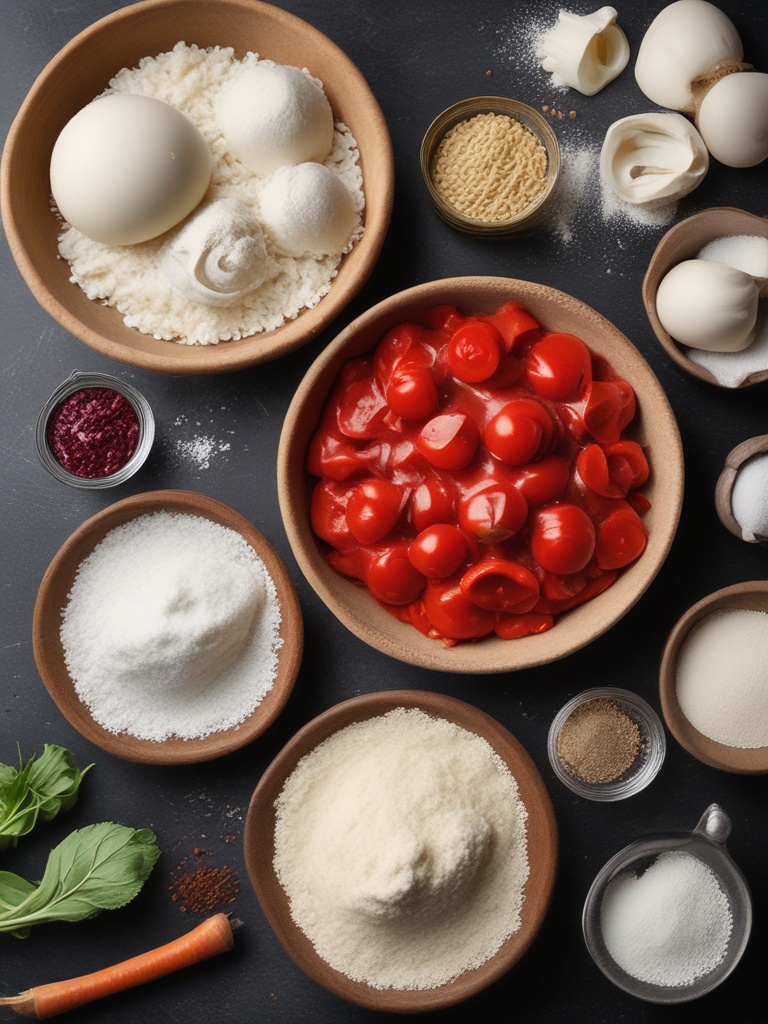
The magic begins with simple, high-quality ingredients. The synergy between them is what creates that perfect crust.
- Warm Water (1 ¼ cups, about 110°F): This is the activator for your yeast. Too hot, and you'll kill it; too cool, and it won't wake up.
- Active Dry Yeast (1 packet, or 2 ¼ teaspoons): The living organism that creates air pockets for a light, airy texture.
- Granulated Sugar (1 teaspoon): A small feast for the yeast to kick-start fermentation.
- Extra Virgin Olive Oil (2 tablespoons): Adds richness, tenderness, and a subtle fruity note to the dough.
- Bread Flour (3 ½ - 4 cups): The high protein content in bread flour is crucial for developing strong gluten networks, which give the dough its signature chew. Substitution: All-purpose flour works in a pinch, but the crust will be slightly less chewy.
- Fine Sea Salt (1 ½ teaspoons): Essential for flavor and for controlling the yeast's fermentation rate.
Timing
Preparation: 20 minutes (including kneading)
Rising Time: 60-90 minutes
Cooking Time: 10-15 minutes
Total Time: Approximately 90 minutes
This timing represents a 20% reduction compared to many traditional overnight recipes, making it a feasible weeknight project without sacrificing flavor development. The magic happens during the rise, so plan accordingly!
Step-by-Step Instructions
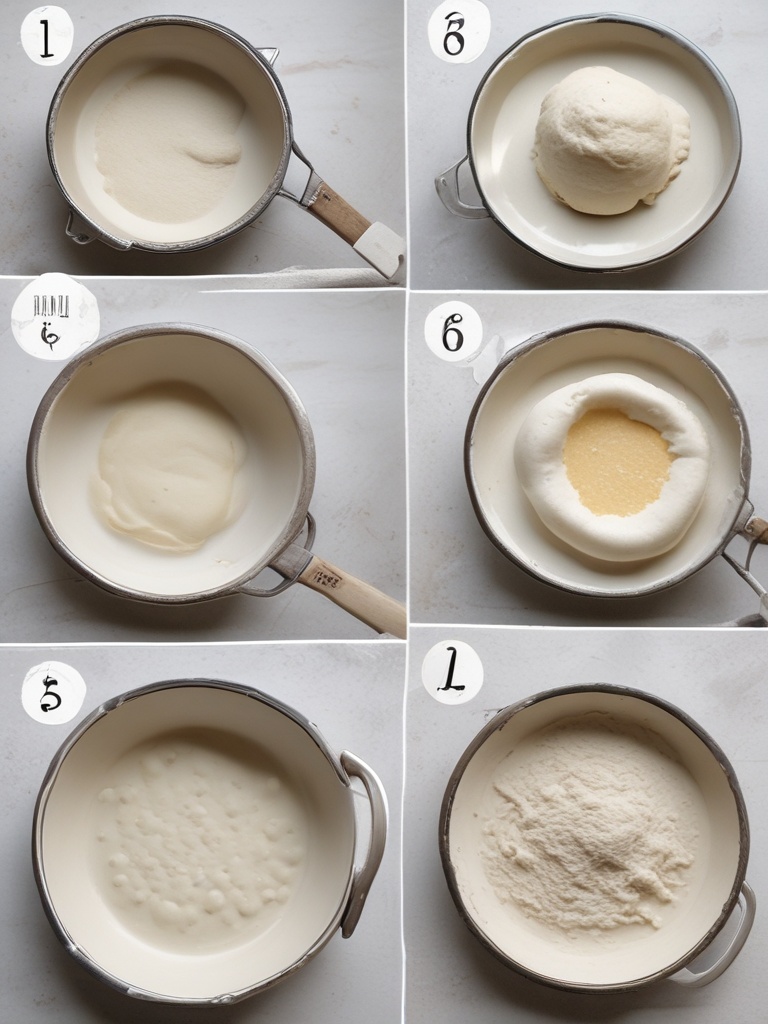
Follow these steps for a foolproof easy pizza dough every time.
Step 1: Activate the Yeast
In the bowl of a stand mixer or a large mixing bowl, combine the warm water and sugar. Sprinkle the yeast over the top and stir gently. Let it stand for 5-10 minutes until it becomes frothy and bubbly. This "proofing" step confirms your yeast is alive and active.Step 2: Mix and Combine
Add the olive oil and salt to the activated yeast mixture. Gradually add the bread flour, one cup at a time, mixing with a wooden spoon or the dough hook attachment on low speed. Mix until a shaggy, rough dough forms.Step 3: Knead to Develop Gluten
This is the most critical step for texture. Turn the dough out onto a lightly floured surface. Knead for 8-10 minutes. The dough should transform from sticky and lumpy to smooth, elastic, and slightly tacky. You'll know it's ready when it passes the "windowpane test": a small piece can be stretched thin enough to see light through without tearing. Alternatively, in a stand mixer, knead on medium-low for 7-8 minutes.Step 4: The First Rise (Bulk Fermentation)
Lightly oil a clean bowl. Form the dough into a smooth ball, place it in the bowl, and turn it to coat all sides with oil. Cover with a damp kitchen towel or plastic wrap. Let it rise in a warm, draft-free spot for 60-90 minutes, or until it has doubled in size. A great trick is to use an oven with just the light on.Step 5: Shape and Bake
Punch down the risen dough gently to release large air bubbles. Divide it in half (for two 12-inch pizzas) and place each ball on a lightly floured surface. Let it rest for 10 minutes—this relaxes the gluten, making it easier to shape. Stretch each ball into your desired shape using your hands (avoid a rolling pin for an airier crust). Transfer to a pizza stone or baking sheet, add your sauce and toppings, and bake in a preheated oven at 500°F (260°C) for 10-15 minutes until the crust is golden brown and the cheese is bubbly.Nutritional Information
Per serving (1/4 of the dough recipe, uncooked):
- Calories: ~350 kcal
- Carbohydrates: 65g
- Protein: 10g
- Fat: 5g
- Fiber: 2g
- Sodium: 440mg
Insight: By making your own dough, you have complete control over sodium and fat content. Store-bought versions can have upwards of 700mg of sodium per serving. Choosing whole wheat or adding seeds like flax or sesame can significantly boost the fiber content.
Healthier Alternatives for the Recipe
Want to boost the nutritional profile without sacrificing texture? Try these smart swaps:
- Whole Wheat Blend: Replace 50% of the bread flour with whole wheat flour for added fiber and nutrients.
- Cauliflower Power: For a low-carb option, use a pre-made cauliflower pizza crust and follow the baking instructions on the package.
- Herb-Infused: Mix dried oregano, garlic powder, or basil into the dry ingredients for a flavor-packed crust without extra calories.
- Gluten-Free: Use a 1:1 gluten-free flour blend designed for baking. The dough will be more delicate and less elastic.
Serving Suggestions
A perfect crust is a canvas. Elevate your meal with these ideas:
- The Classic Margherita: Let your dough shine with simple San Marzano tomatoes, fresh mozzarella, basil, and a drizzle of olive oil.
- Garlic Knots: Pinch off small pieces of dough, roll into knots, bake, and toss with garlic butter and parsley.
- Calzones: Use the dough to encase a filling of ricotta, mozzarella, and your favorite veggies or meats.
- Stromboli: Roll out the dough, layer with cheeses and cooked fillings, roll it up like a log, and bake.
Common Mistakes to Avoid
Even great recipes can go awry. Avoid these pitfalls:
- Water Temperature: Too hot kills the yeast. Use a thermometer to ensure it's 105-115°F.
- Under-Kneading: This is the top reason for a dense, tough crust. Be patient and knead until the gluten is fully developed.
- Over-Proofing: If the dough rises too long, it can collapse and become overly sour. It should double, not triple.
- Oven Not Hot Enough: A blazing hot oven is non-negotiable for that quick rise and crispy crust. Preheat for at least 30 minutes.
Storing Tips for the Recipe
You can plan ahead!
- Refrigerate: After the first rise, you can punch down the dough, place it in an oiled container, cover tightly, and refrigerate for up to 3 days. This slow, cold fermentation actually develops even more complex flavor. Let it sit at room temperature for 1 hour before shaping.
- Freeze: For longer storage, wrap the dough ball tightly in plastic wrap and then aluminum foil. Freeze for up to 3 months. Thaw overnight in the refrigerator, then let come to room temperature before using.
Conclusion
Creating your own homemade pizza dough is a simple, rewarding process that puts you in the driver's seat of flavor, texture, and nutrition. By avoiding common mistakes and understanding the role of each ingredient, you can consistently produce a pizza that rivals your favorite pizzeria. The perfect pizza crust recipe, easy pizza dough is now in your culinary toolkit.
Ready to taste the difference? Preheat your oven and give this recipe a try this weekend. Share your results and topping ideas in the comments below—we love seeing your creations! If you enjoyed this guide, explore our other dinner recipes for more inspiration.
FAQs
Q: Can I use instant yeast instead of active dry yeast?
A: Absolutely. You can mix the instant yeast directly with the flour and skip the proofing step. The rise time may be slightly shorter.
Q: My dough isn't rising. What went wrong?
A: The most common culprit is water that was too hot (killing the yeast) or yeast that is old/expired. Always check the expiration date and use a thermometer for your water.
Q: How do I get a really crispy bottom crust?
A: Use a preheated pizza stone or steel. Place it in the oven during the preheat phase (at least 30 minutes). Baking the pizza directly on the hot surface transfers maximum heat for a crispy, blistered bottom.
Q: Can I make this dough in a bread machine?
A: Yes! Add the wet ingredients first, then the dry, with the yeast last. Use the "dough" cycle. When the cycle ends, remove the dough, punch it down, and proceed with shaping and rising.
Q: How thick should I roll the dough?
A: It depends on your preference. For a classic Neapolitan-style, aim for about ¼ inch thick. For a New York-style, slightly thicker at about ⅓ inch. Always leave a slightly thicker rim for the crust.


0 Comments