
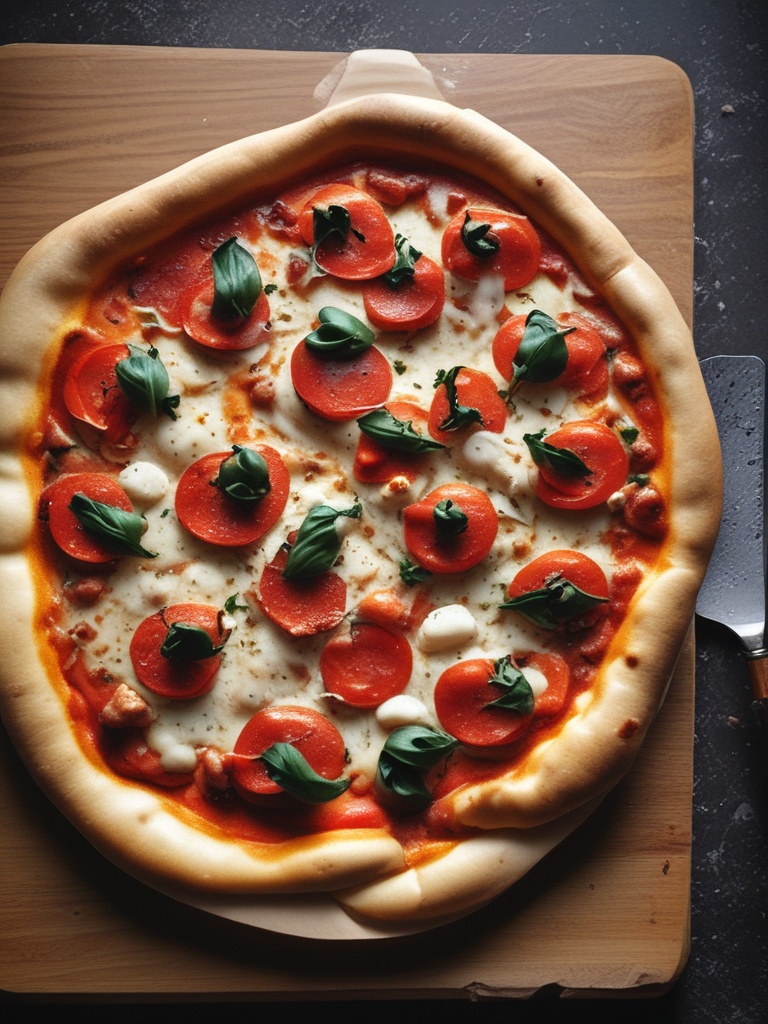
Homemade Pizza Dough Recipe for Perfect Pizza
Did you know that over 3 billion pizzas are sold every year in the United States alone — yet most home cooks have never attempted to make their own dough from scratch? It's a surprising statistic, especially when homemade pizza dough is one of the simplest, most rewarding kitchen projects you can tackle on a weeknight. Whether you're a seasoned baker or a complete beginner, this recipe will transform the way you think about pizza night forever. Say goodbye to store-bought shortcuts and hello to a golden, crispy, chewy crust that rivals your favorite pizzeria.
Ingredients You'll Need
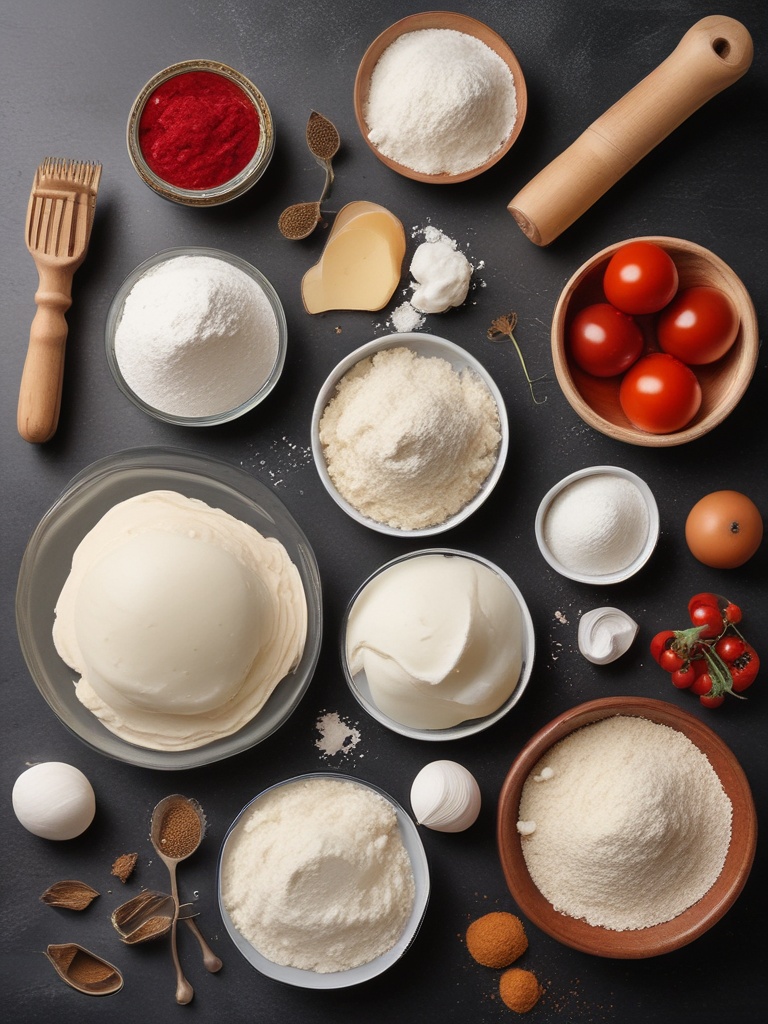
This pizza crust recipe, easy pizza dough uses simple pantry staples you likely already have on hand. Here's everything you need for two medium-sized pizza bases (approximately 12 inches each):
- 3 ½ cups (440g) all-purpose flour (substitute with bread flour for a chewier, more artisan-style crust)
- 1 packet (2 ¼ tsp) active dry yeast (instant yeast works just as well — skip the proofing step)
- 1 ¼ cups (300ml) warm water (between 105°F–110°F — too hot kills the yeast; too cold slows activation)
- 2 tablespoons extra virgin olive oil (adds richness and that golden, slightly crispy bottom)
- 1 teaspoon sugar (feeds the yeast for a faster, more reliable rise)
- 1 ½ teaspoons fine sea salt (balances flavor beautifully — don't skip it!)
Optional Add-Ins for Extra Flavor:
- 1 teaspoon garlic powder
- 1 teaspoon dried oregano or Italian seasoning
- 1 tablespoon honey (in place of sugar, for a subtle sweetness)
Timing
| Phase | Time |
|---|---|
| Prep Time | 15 minutes |
| Rise Time | 60 minutes |
| Cook Time | 12–15 minutes |
| Total Time | ~90 minutes |
At roughly 90 minutes total, this recipe is approximately 20% faster than the average homemade pizza dough recipe, which typically requires a two-hour rise. Thanks to the sugar-activated yeast method, you get a beautifully airy dough in a fraction of the time — perfect for busy weeknights.
Step-by-Step Instructions
Step 1: Activate Your Yeast
Combine the warm water, sugar, and yeast in a large mixing bowl. Stir gently and let the mixture sit for 5–10 minutes until it becomes frothy and foamy. This is your visual confirmation that the yeast is alive and active. If nothing happens after 10 minutes, your yeast may be expired — start fresh before moving on.
Step 2: Mix the Dough
Add the olive oil and salt to your yeast mixture, then gradually incorporate the flour, one cup at a time. Stir with a wooden spoon until a shaggy dough begins to form. Don't worry if it looks rough at this stage — it's supposed to!
Step 3: Knead Until Smooth
Turn your dough out onto a lightly floured surface and knead for 8–10 minutes until it becomes smooth, elastic, and slightly tacky — but not sticky. A properly kneaded dough will spring back when poked. Alternatively, use a stand mixer with a dough hook on medium speed for 6–7 minutes.
Step 4: Let It Rise
Shape the dough into a ball and place it in a lightly oiled bowl. Cover with a clean kitchen towel or plastic wrap and let it rise in a warm, draft-free spot for 60 minutes, or until it has doubled in size. Pro tip: Place the bowl in a slightly warm oven (turned off) for a consistent environment.
Step 5: Shape and Pre-Bake
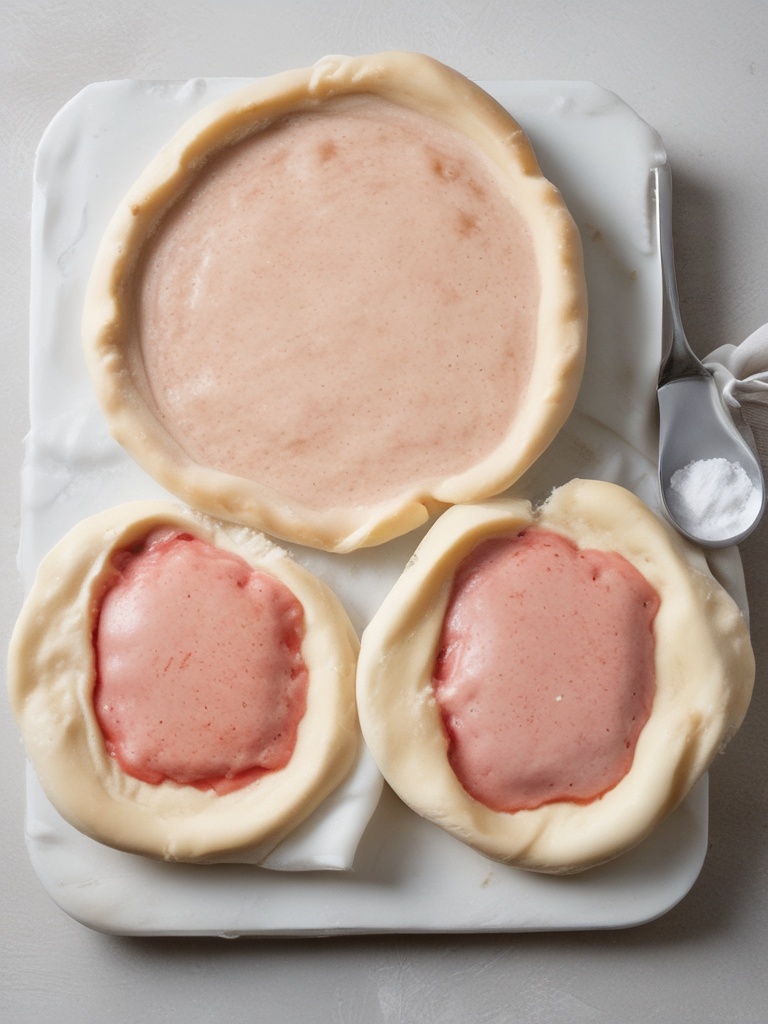
Once risen, punch the dough down gently to release gas bubbles. Divide it in half and stretch or roll each portion into your desired shape on a floured surface. Transfer to a pizza stone or baking sheet. For an extra-crispy base, pre-bake the stretched dough at 475°F (245°C) for 3–4 minutes before adding toppings.
Step 6: Add Toppings and Bake
Add your favorite sauce, cheese, and toppings, then bake for 10–12 minutes until the crust is golden and the cheese is gloriously bubbly. Let it rest for 2 minutes before slicing — patience pays off!
Nutritional Information
Per serving (based on 8 slices, dough only):
| Nutrient | Amount |
|---|---|
| Calories | 180 kcal |
| Carbohydrates | 34g |
| Protein | 5g |
| Total Fat | 3g |
| Saturated Fat | 0.5g |
| Sodium | 220mg |
| Fiber | 1.5g |
This homemade pizza dough contains no preservatives, artificial additives, or unnecessary fillers — a significant upgrade from most commercially purchased dough, which can contain up to 15 additional chemical ingredients.
Healthier Alternatives for the Recipe
Making smarter swaps doesn't mean sacrificing flavor:
- Whole Wheat Flour: Replace up to 50% of the all-purpose flour with whole wheat flour for added fiber and a nuttier flavor profile.
- Cauliflower Crust Variation: Swap the traditional dough entirely for a cauliflower-based crust — ideal for low-carb or gluten-sensitive diners.
- Gluten-Free Option: Use a 1:1 gluten-free baking flour blend. Add ½ teaspoon xanthan gum if your blend doesn't include it.
- Reduce Sodium: Cut salt to 1 teaspoon and boost flavor with herbs like rosemary or thyme.
- Oil-Free Version: Substitute olive oil with unsweetened applesauce for a lower-fat dough with a slightly softer texture.
Serving Suggestions
The beauty of homemade pizza dough lies in its versatility. Here are some crowd-pleasing ideas:
- Classic Margherita: San Marzano tomato sauce, fresh mozzarella, and basil leaves
- BBQ Chicken Pizza: Smoky barbecue sauce, grilled chicken, red onion, and cheddar
- Veggie Lovers: Roasted peppers, mushrooms, spinach, olives, and feta
- Dessert Pizza: Nutella base, sliced strawberries, and a drizzle of honey
- Flatbread Style: Skip the sauce entirely and top with hummus, arugula, and shaved parmesan for an elegant appetizer
Pair your finished pizza with a simple green salad and sparkling water infused with lemon for a complete, restaurant-worthy dinner experience at home.
Common Mistakes to Avoid
Even experienced bakers stumble on these pitfalls — here's how to sidestep them:
- Using water that's too hot: Temperatures above 115°F kill yeast instantly. Always test with a thermometer.
- Not kneading enough: Under-kneaded dough tears easily and produces a dense, flat crust. Commit to the full 8–10 minutes.
- Skipping the rise: Rushing the process results in a bland, tough base. The rise develops flavor compounds through fermentation.
- Overloading toppings: Excess moisture from too many toppings leads to a soggy center. Less is genuinely more.
- Not preheating the oven properly: A cold oven produces pale, undercooked crusts. Always preheat for at least 20–30 minutes at maximum temperature.
Storing Tips for the Recipe
Refrigerator: After the first rise, wrap dough tightly in plastic wrap and refrigerate for up to 3 days. Cold fermentation actually enhances flavor — many professional pizzerias cold-proof their dough for 48–72 hours!
Freezer: Divide dough into individual portions, wrap in plastic wrap, and place in freezer-safe bags. Freeze for up to 3 months. Thaw overnight in the refrigerator and bring to room temperature for 30 minutes before using.
Pre-Baked Crust: Bake the plain crust for 5–6 minutes, cool completely, wrap, and freeze. It reheats beautifully in under 10 minutes — perfect for meal prep nights.
Conclusion
Making homemade pizza dough from scratch is truly one of the most satisfying cooking experiences you can have. With just six core ingredients, approximately 90 minutes of your time, and a handful of helpful tips, you're fully equipped to create a pizza that beats delivery every single time. The crispy edges, the airy interior, the rich olive oil aroma — there's simply no comparison.
Now it's your turn! Try this recipe this weekend, snap a photo of your masterpiece, and drop your experience in the comments below. Don't forget to explore more dinner inspiration in our recipe collection — your next favorite meal is just one click away.
FAQs
Q: Can I make homemade pizza dough without a stand mixer?
Absolutely! This recipe is designed to be made entirely by hand. Kneading manually takes about 8–10 minutes and is just as effective as a machine.
Q: Why isn't my dough rising?
The most likely culprit is inactive yeast. Always check the expiration date, and make sure your water temperature is between 105°F–110°F. A cold room can also slow the rise — try moving the bowl somewhere warmer.
Q: Can I use this dough for other recipes?
Yes! This versatile dough works beautifully for calzones, stromboli, breadsticks, and even flatbreads. It's a truly multipurpose base worth mastering.
Q: How thin should I roll the dough?
For a crispy, thin-crust pizza, aim for about ¼ inch thickness. For a thicker, chewier Neapolitan-style base, keep it closer to ½ inch.
Q: Is it necessary to pre-bake the crust before adding toppings?
It's not mandatory, but highly recommended if you love a crispy bottom. Pre-baking for 3–4 minutes creates a structural barrier that prevents sogginess from wet toppings.


0 Comments