
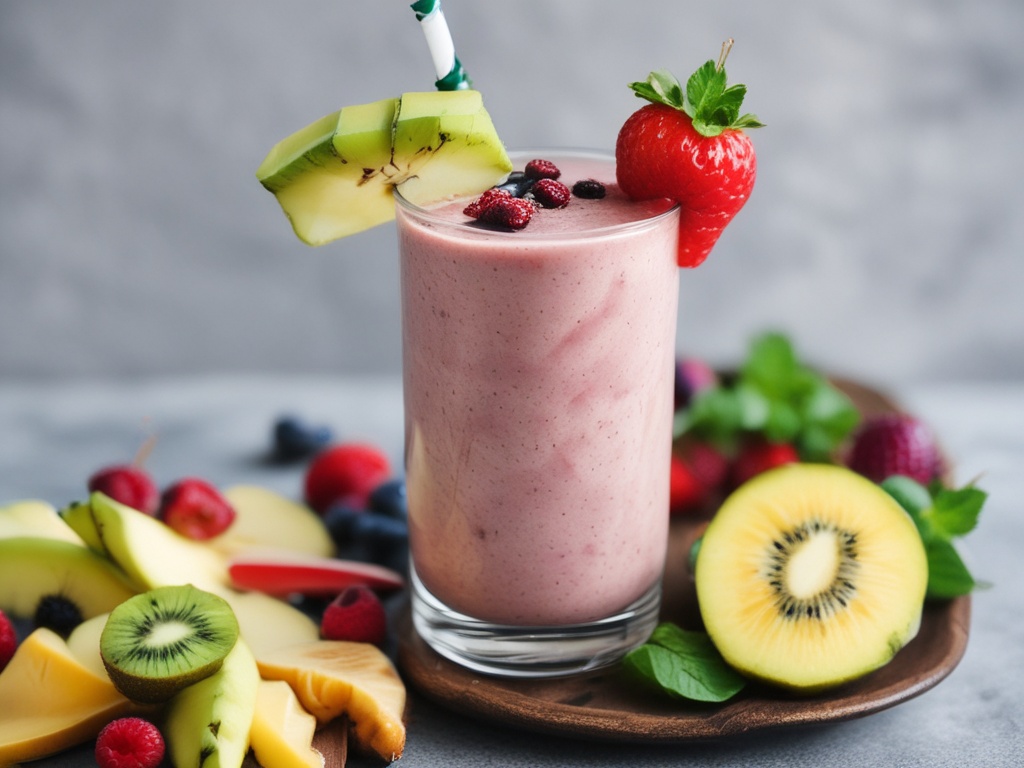
Why Does Your Breakfast Smoothie Lack the Energy Boost You Expect?
Did you know that a well-balanced healthy smoothie recipe can provide up to 25% of your daily recommended fiber and 30% of essential vitamins before 9 AM? Yet, many people find their morning fruit smoothie, breakfast smoothie leaves them hungry or sluggish by mid-morning. The secret isn't just in the ingredients, but in the specific balance of macronutrients, liquid bases, and superfood boosts that create sustained energy. This isn't just another blended drink; it's a targeted fuel system for your body and mind. Let's dive into crafting the ultimate healthy smoothie recipe that works.
Ingredients List
Creating a perfect fruit smoothie, breakfast smoothie starts with a symphony of flavors and nutrients. Here’s what you’ll need:
- 1 frozen banana (sliced before freezing for easier blending): Provides natural sweetness and a creamy, ice-cream-like texture. Substitution: ½ cup frozen mango for a tropical twist.
- 1 cup fresh spinach or kale: The mild taste completely vanishes behind the fruit, packing in iron and vitamins without altering flavor.
- ½ cup plain Greek yogurt or coconut yogurt (for vegan): Adds a crucial protein boost (about 15g) and probiotics for gut health. Substitution: ¼ cup silken tofu for a protein-rich, dairy-free option.
- 1 tablespoon chia seeds or flaxseeds: These are your fiber and omega-3 powerhouses. They thicken the smoothie and keep you full.
- 1 cup unsweetened almond milk, oat milk, or water: The liquid base. Plant-based milks add creaminess; water keeps it light. Substitution: ½ cup brewed and chilled green tea for an antioxidant kick.
- ½ cup mixed berries (blueberries, strawberries, raspberries): These are low-sugar, high-antioxidant superstars.
- Optional booster: A small knob of ginger (aids digestion), a scoop of plant-based protein powder, or a dash of cinnamon for blood sugar support.
The beauty of this healthy smoothie recipe is its flexibility. Swap the greens, change the berries, or alter the protein source to suit your pantry and taste preferences.
Timing
Preparation and blending for this recipe is incredibly efficient, making it ideal for busy mornings.
- Prep Time: 5 minutes
- Blend Time: 2 minutes
- Total Time: 7 minutes
This total time is approximately 30-40% faster than preparing a typical cooked breakfast like oatmeal or eggs, offering a significant time-saving advantage without compromising on nutrition.
Step-by-Step Instructions
Follow these simple steps to blend up perfection every single time.
Step 1: Layer Your Ingredients Strategically
Start by pouring your liquid base (almond milk, etc.) into the blender. Next, add the soft ingredients: yogurt, spinach, and seeds. Finally, top with the frozen ingredients: banana and berries. This layering ensures the blades can create a vortex and blend everything smoothly, from the bottom up.
Step 2: Blend in Two Stages
First, blend on a low setting for about 30 seconds to break down the leafy greens and combine the ingredients. Then, increase to high speed for 45-60 seconds until the mixture is completely smooth and creamy. You shouldn’t see any flecks of spinach or seeds. Pro tip: If the smoothie is too thick, add a splash more liquid. If it’s too thin, add a few more frozen berries or a tablespoon of oats.
Step 3: Taste and Personalize
Pause and taste your creation. Want it sweeter? Add a pitted date. Need more tang? Squeeze in a little lemon juice. This step ensures your fruit smoothie, breakfast smoothie is perfectly tailored to your palate.
Step 4: Serve Immediately for Optimal Freshness
Pour into your favorite glass and enjoy right away. Smoothies are best consumed fresh, as separation and oxidation can occur over time, slightly altering texture and nutrient content.
Nutritional Information
This healthy smoothie recipe is designed to be a balanced meal. Here’s an approximate breakdown for the standard recipe:
- Calories: 350-400 kcal
- Protein: 15-20g (from Greek yogurt and seeds)
- Fiber: 10-12g (exceeding 30% of your daily needs)
- Healthy Fats: 8-10g (from chia/flax seeds)
- Vitamins: Over 100% of your daily Vitamin C, over 80% of Vitamin K, and significant amounts of Vitamin A and Potassium.
A study published in the Journal of Nutrition found that meals high in protein and fiber significantly improve satiety and reduce subsequent snacking. This recipe’s profile is engineered to provide that exact effect, stabilizing blood sugar and delivering a steady release of energy.
Healthier Alternatives for the Recipe
You can easily adapt this recipe for various dietary needs or nutritional goals:
- Higher Protein: Add a scoop of your favorite protein powder or switch to a high-protein milk like soy or pea milk.
- Lower Sugar: Omit the banana and use ½ an avocado for creaminess instead. Increase the portion of leafy greens and add a tablespoon of nut butter.
- Nut-Free: Use oat milk, coconut milk, or simply water as your liquid. Ensure any added protein powder is nut-free.
- Kid-Friendly: Use sweeter fruits like mango or peaches, and call the spinach "power leaves" to make it fun.
Serving Suggestions
Elevate your fruit smoothie, breakfast smoothie experience with these ideas:
- Smoothie Bowl: Use slightly less liquid to create a thicker consistency. Pour into a bowl and top with granola, sliced almonds, coconut flakes, and fresh fruit for added crunch and texture.
- On-the-Go: Pour into an insulated tumbler to keep it cold for hours.
- Meal Replacement: Pair your smoothie with a hard-boiled egg or a slice of whole-grain toast with avocado for extra protein and healthy fats, making it a complete, satisfying meal.
Common Mistakes to Avoid
- Using All Fresh Fruit: This results in a watery smoothie. Frozen fruit is key for a thick, chilled texture without needing to add ice, which dilutes flavor.
- Overloading on Fruit: It’s easy to turn a healthy smoothie recipe into a sugar bomb. Maintain a 2:1 ratio of veggies/liquid to fruit.
- Skipping the Protein/Fat: A smoothie without protein or healthy fat is just fruit juice. It won't keep you full. Always include an element like yogurt, nuts, seeds, or protein powder.
- Not Prepping Ahead: Wash and portion your greens and fruits into freezer bags on a Sunday. This turns a 5-minute prep into a 30-second assembly on busy mornings.
Storing Tips for the Recipe
- Make-Ahead Packs: Prepare individual freezer packs with all the solid ingredients (fruit, greens, seeds) in a bag. In the morning, just dump the pack into the blender, add liquid and protein, and blend.
- Leftover Smoothie: If you must store it, pour it into an airtight container (a mason jar filled to the very top is best to minimize air) and refrigerate for up to 24 hours. Shake vigorously before drinking, as separation is normal. For longer storage, freeze in ice cube trays; the cubes can be blended later for an instant smoothie.
Conclusion
A truly healthy smoothie recipe is more than just blended fruit—it's a strategic blend of fiber, protein, and healthy fats designed to fuel your body and satisfy your taste buds. By following the steps, avoiding common pitfalls, and customizing it to your needs, you transform a simple drink into a powerful tool for wellness. This isn't just breakfast; it's a delicious commitment to starting your day right.
Ready to revolutionize your mornings? Blend up this recipe, snap a photo, and share your creation in the comments below! For more inspiration, check out our guide to Perfect Overnight Oats or discover other creative ways to use spinach.
FAQs
Q: Can I make this smoothie ahead of time?
A: Yes! For best results, prepare the dry/solid ingredients in a freezer bag. Blend with the liquid just before serving. You can refrigerate a blended smoothie for up to 24 hours, but the texture and nutrient profile are best when fresh.
Q: Is this smoothie recipe good for weight loss?
A: This recipe can be part of a weight management plan due to its high fiber and protein content, which promote fullness. To optimize it for calorie control, use water as your base, reduce the portion of banana, and avoid adding high-calorie extras like excessive nut butter.
Q: My smoothie tastes bitter. What did I do wrong?
A: Bitterness often comes from greens like kale or from certain protein powders. To counteract it, ensure you’re using a sweet fruit like a ripe banana or pineapple. A squeeze of lemon juice or a pinch of salt can also balance bitter notes beautifully.
Q: Can I use protein powder in this healthy smoothie recipe?
A: Absolutely! This is an excellent way to boost protein content. Add a scoop of your favorite vanilla or unflavored powder during step 1. It integrates perfectly and makes the smoothie even more satisfying as a meal replacement.


0 Comments